


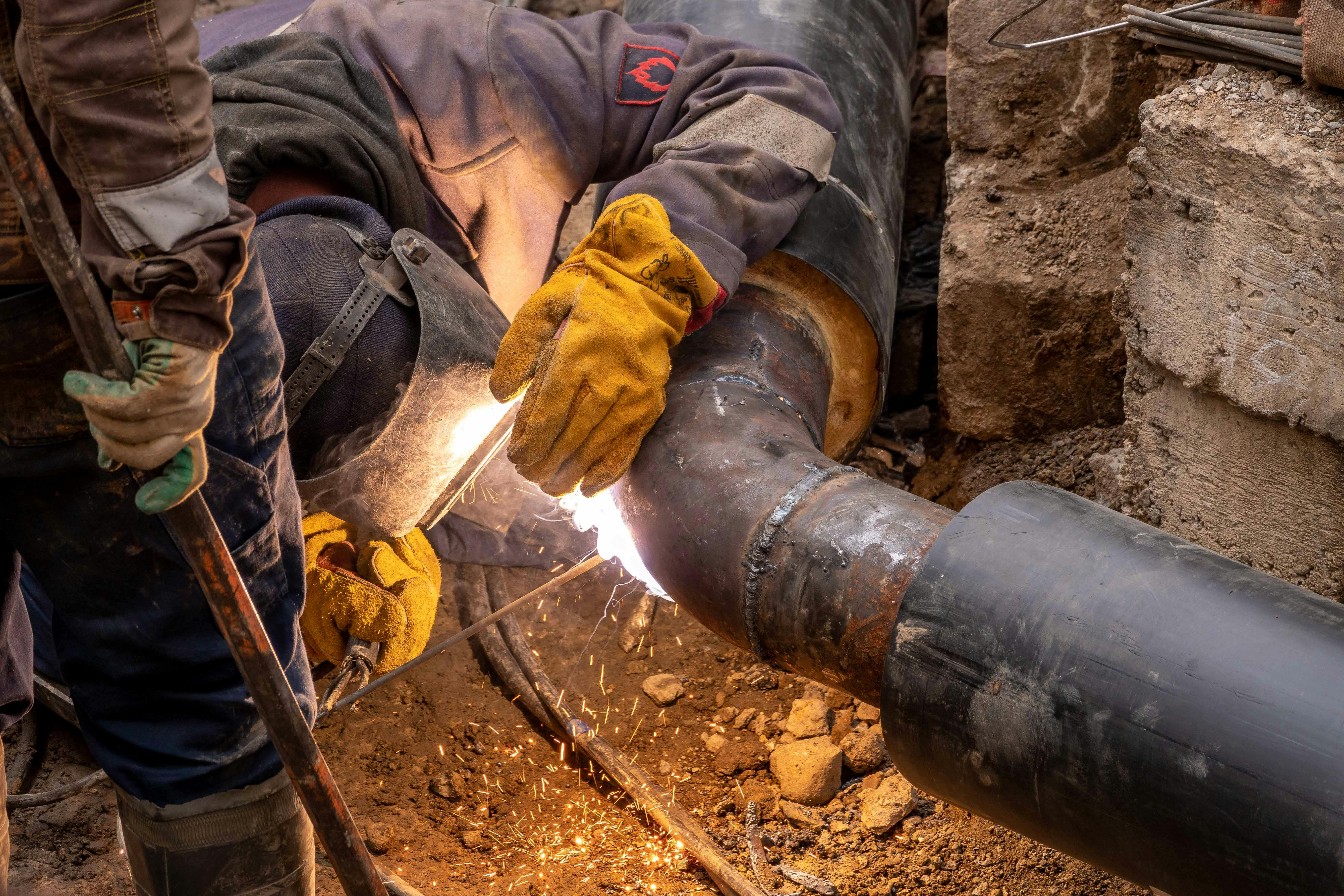
Subcontracting: a growth engine for our smes
"Subcontracting to Cameroonian small and medium-sized enterprises is mandatory for certain sectors of activity and for specific types of large-scale or structural projects". This provision, derived from Article 9, Paragraph 2 of law No. 2025/010 of July 15, 2025, governing the subcontracting regime in Cameroon, now defines the foundations for closer collaboration between major contractors and local businesses.
Beyond legal obligations, why is subcontracting so vital for our economy ?
A lever for competitiveness
According to Article 2 of the law, the subcontracting regime aims primarily to encourage the development of national SMEs. By framing these relationships, the law guarantees increased legal security for small structures, allowing them to grow steadily and become more competitive in the market.
Transfer of technology and skills
The importance of subcontracting also lies in the sharing of expertise. Article 3 emphasizes that these activities promote the transfer of technological skills from large corporations to SMEs. This represents a unique opportunity for our local entrepreneurs to learn from international standards and move up market.
Enhancing local resources
Finally, resorting to subcontracting boosts the development of local capacities. By entrusting part of the work to Cameroonian SMEs, the national economy benefits from better valuation and utilization of the country's resources.
Subcontracting is not just a technical contract; it is a strategic tool for building a cohesive economy where large companies support the emergence of smaller ones.


